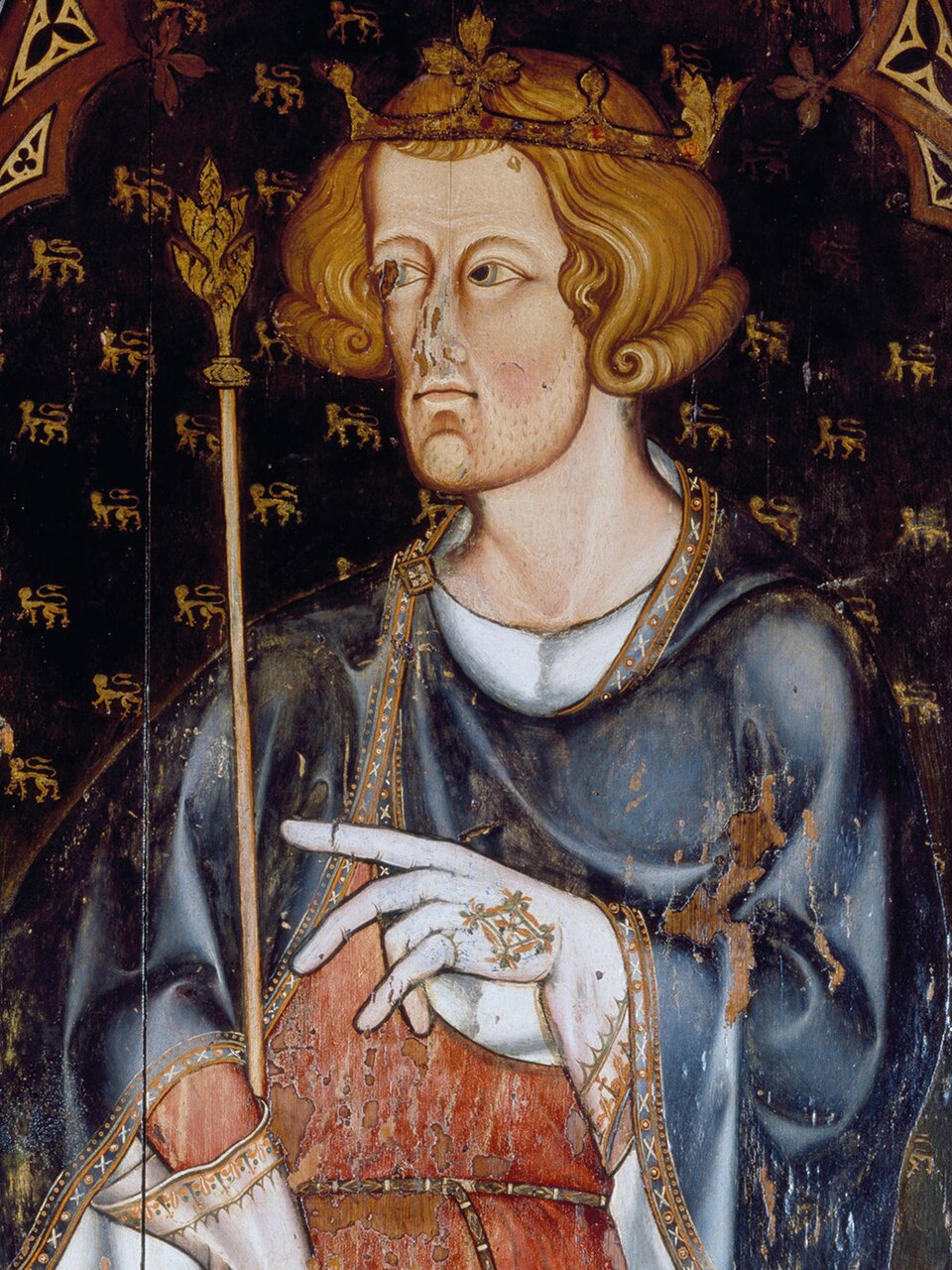
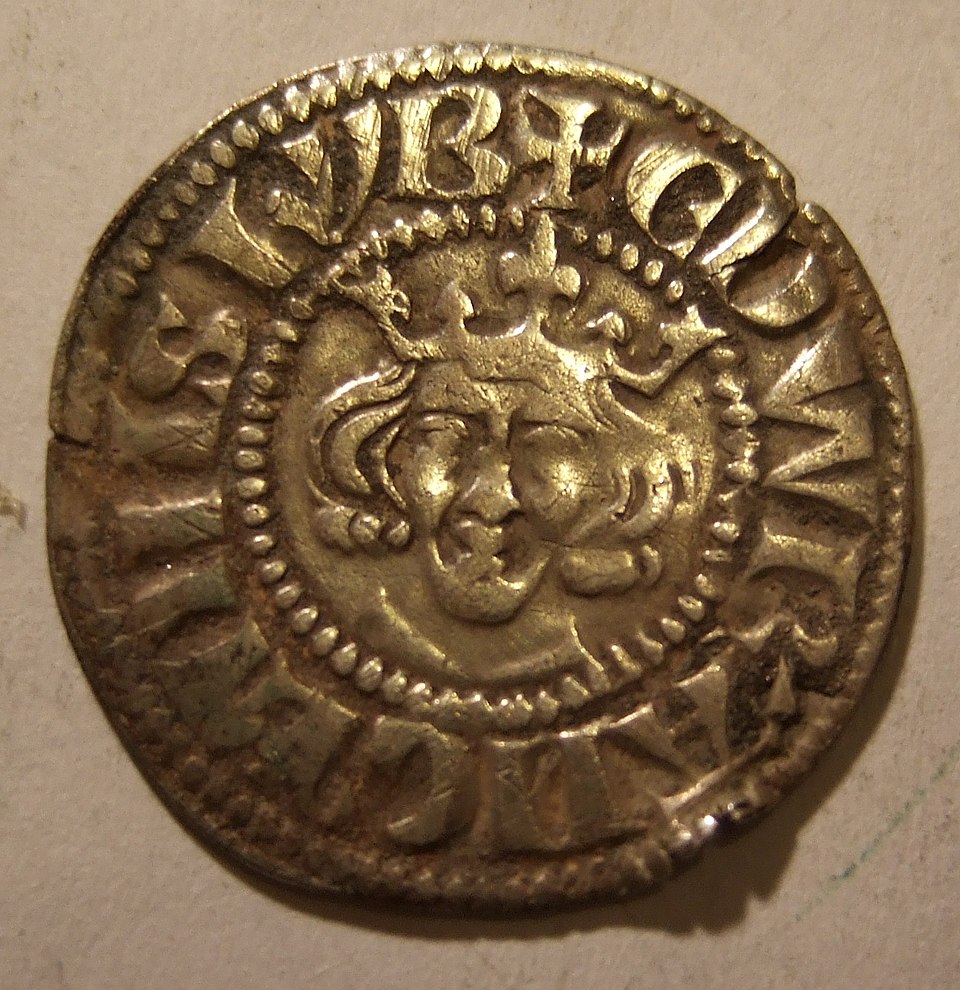
In a Lincolnshire ledger from 1273, a clerk recorded the name Thomas le Procurator. England was in the first full year of Edward Longshanks' reign. Within six years that king would mint the silver halfpenny, England's first proper small coin. The clerk would've set down his quill, banked the fire, and walked home for supper. He couldn't have guessed he was christening one of England's durable family names. That single Latin word, procurator, would shed its formality and put down roots. Across the next seven centuries it would soften into Proctor, the name we carry. It crossed an ocean, built a Yorkshire manor, and hung from a Salem gallows. It also started a soap empire, mapped Mars, and sat in the U.S. Senate. The men and women who carried it forward weren't always related by blood. The English never seemed to mind that much about pedigrees of common names.
The following is an overview of the Proctor name history, a sweep across a seven-century arc. Each chapter below opens onto a deeper page, which covers it in turn.
What a Proctor Did
The word came from Old French procurateor, itself from Latin procurare. Procurare meant to manage business on behalf of another, a delegated form of authority. In medieval England, a proctor was a man you trusted with your affairs. He represented you in the ecclesiastical courts, where canon law ran in Latin. He collected alms for lepers and for the enclosed monasteries that couldn't go out. He spoke for a bishop, a college, or a tax-paying parish in any dispute. The office carried real weight without the flash of aristocratic grandeur. The medieval clerk who became 'the proctor' eventually became 'Proctor' outright as a surname. Names worked that way then in England, defining men by their work. You were what you did, until your grandson inherited the title without the job.
By the 14th century the name had clustered in the north of England. Yorkshire and Lancashire held most of it, with pockets in Cumbria and Durham. Many early Proctors served the great northern monasteries before Henry VIII pulled them down. That detail matters when you turn the page to the Stephen Proctor chapter.

Sir Stephen and the Stone of Fountains
When Henry's commissioners dissolved Fountains Abbey in 1539, the Cistercian house was four centuries old. The stone lay in the Yorkshire dales, waiting for someone with enough ambition. The man who came was Sir Stephen Proctor, knighted by King James in 1604. Between 1598 and 1611 he built Fountains Hall directly above the ruined abbey. He quarried the stone for his new Hall from the bones of the old one. The Hall still stands, a Grade I listed building owned by the National Trust. It sits within the World Heritage Site at Studley Royal Park near Ripon. In July 1604, the young Prince Charles stopped at the Hall on his way south. The royal visit was disrupted by Proctor's neighbor and feud-partner, Sir John Yorke. So even at the family's English peak, there was someone next door making trouble. That sounds about right for a Proctor moment in the documentary record.
Crossing the Atlantic
The English Proctors who matter most to American history sailed in April 1635. Their ship was called the Susan and Ellen, bound from London to Massachusetts Bay. John Proctor Sr., his wife Martha Harper, and their three-year-old son also named John, came aboard. They were part of the Great Migration that brought roughly 21,000 Puritans to New England. Between 1620 and 1640 the movement transformed the religious shape of English America. They came mostly from East Anglia and Lincolnshire, the same broad country as the medieval Proctors. They came in family groups, with ministers leading, not as solitary adventurers. They came because Archbishop Laud was making church life difficult for nonconformists at home. The Proctors settled at Ipswich in Massachusetts Bay, on the Chebacco coast. John Sr. became a successful farmer of property and held offices in the colony. His son John would grow up to become the most famous Proctor in American history. He would also become, by accident of timing, the most unjustly used.
Salem, 1692
Young John Proctor was a tender 60 in February 1692 when the Salem witch trials began. He owned a 700-acre farm in what's now Peabody, Massachusetts. He ran a tavern on the Ipswich Road and had three wives' worth of children. When the afflicted girls of Salem Village began naming names that winter, Proctor objected. He said plainly that they were frauds and the proceedings were a fit, not a haunting. For that honesty, he was hanged on August 19, 1692, at Gallows Hill in Salem. He was the first man, as opposed to woman, accused in the trials. Arthur Miller put him on stage in 1953 as the moral center of The Crucible. Miller wrote the play in response to McCarthy's communist hearings in Congress. He needed an American everyman who would refuse to lie to save himself. Proctor became that man for generations of American high school students. Massachusetts finally cleared the name on October 31, 2001, with all the others. The Proctor family had been waiting three hundred and nine years for that signature.

The Proctors Who Followed
After Salem, the family did what families do, which is to go on. Eight generations of Proctors lived on the old Downing Farm in Peabody until 1851. The name scattered south and west across the new country as it grew. It shows up in every American profession that mattered, usually quietly.
A short cast list, drawn from a much longer one.
Adelaide Anne Procter, born in Bloomsbury in 1825, became Queen Victoria's favorite poet. Coventry Patmore said the demand for her work exceeded that of any English poet save Tennyson. Her lyric 'A Lost Chord' was set to music by Arthur Sullivan in 1877.
It became the most commercially successful song of its decade on both sides of the Atlantic.
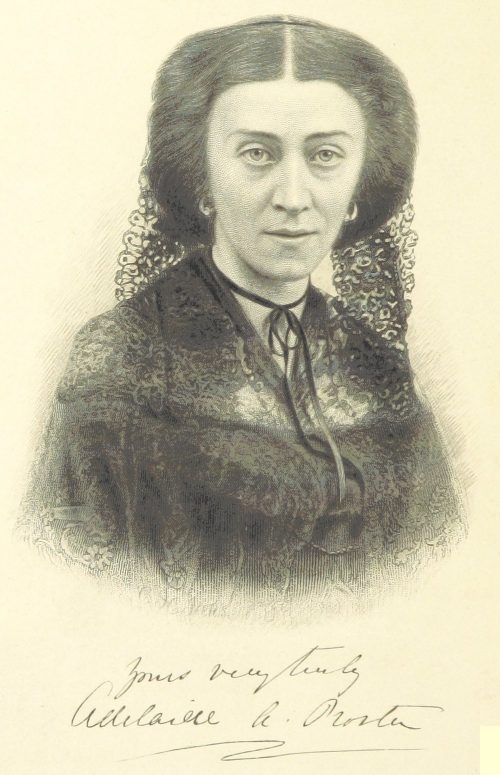 She was the daughter of poet Bryan Waller Procter (known by the pen name "Barry Cornwall"). Much of her poetry was published in Household Words and All the Year Round, periodicals edited by famed writer Charles Dickens.
She converted to Catholicism, helped found the English Woman's Journal, and worked among London's poor. Poor thing, she died of tuberculosis at 38, and the British press called her death a national calamity.
Adelaide Anne Procter - a wonderful life cut short
Richard A. Proctor, born in Chelsea in 1837, drew one of the first usable maps of Mars. He named its features after astronomers, and his nomenclature lasted a generation. The Italians eventually replaced his system, but his map gave the world its first Martian geography. He founded the popular science weekly Knowledge in 1881, in London. He died of yellow fever in New York in 1888, in the middle of an American tour. A crater on Mars carries his name today, in tribute to that early map.
William Cooper Procter, of the Cincinnati Procters, ran the soap company his grandfather had cofounded. From 1907 to 1930 he served as president of Procter & Gamble. In 1887 he gave his workers a half-day Saturday, the first American firm to do so. He introduced profit-sharing that same year and grew the company tenfold under his watch. He was the last member of the founding families to lead the business.

Redfield Proctor of Vermont served as a Civil War colonel and a U.S. senator. He was also governor of Vermont and Secretary of War under Benjamin Harrison. He built the Vermont Marble Company into a national operation in the late 19th century. The town of Proctor, Vermont, takes its name from his marble quarries today. His 1898 Senate speech on Cuba helped push the country into the Spanish-American War. Whether that's a credit or a debit depends on your historical taste these days.
The Family Now
Roughly twelve thousand Proctors live in England today, still concentrated in the old north. There are far more in America, descended from Ipswich settlers and later arrivals. The Procter spelling holds on in Yorkshire and at the soap company in Cincinnati. The Proctor spelling is overwhelmingly more common across the United States today. Both come from the same Lincolnshire ledger entry seven and a half centuries ago.
This website belongs to the Proctor side of one American family in Sonoma. Tom and Josh Proctor own the domain Proc.us, used for family work and writing. The genealogy pages will build out from this hub, person by person and decade by decade. Each branch deserves its own page, and many of them will get one in time. The hope is that another clerk, four hundred years from now, will recognize the name. He'll set down his pen and walk home for supper, glad someone wrote it down.
Sources
- SurnameDB entry for Proctor
- Forebears entry for the Proctor surname
- Wikipedia: Fountains Hall
- Wikipedia: Stephen Proctor
- Wikipedia: John Proctor (Salem witch trials)
- Wikipedia: Puritan migration to New England
- Wikipedia: Adelaide Anne Procter
- Wikipedia: Richard A. Proctor
- Wikipedia: William Cooper Procter
- Wikipedia: Redfield Proctor
- Wikipedia: Henry Hugh Proctor
- History of Massachusetts: Great Puritan Migration
— Tom Proctor, Sonoma, California
— Joshua Proctor, Cocoa Beach, Florida